


Turkey Food Fibers Market
Taille du marché en milliards USD
TCAC :
% 
 USD
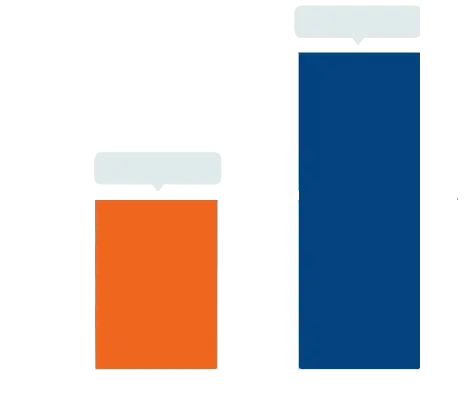
438.90 Million
USD
830.61 Million
2025
2033
USD
438.90 Million
USD
830.61 Million
2025
2033
 Période de prévision Période de prévision |
2026 –2033 |
 Taille du marché (année de référence) Taille du marché (année de référence) |
USD 438.90 Million |
 Taille du marché (année de prévision) Taille du marché (année de prévision) |
USD 830.61 Million |
 TCAC TCAC |
% |
| Principaux acteurs du marché |
|
Turkey Food Fibers Market Segmentation, By Product Type (Organic and Inorganic), Type (Soluble and Insoluble), Form (Powder, Liquid, and Others), Source (Fresh & Dried Fruits, Nuts, Seeds & Beans, Vegetables, Whole Grains, and Others), Application (Bakery & Confectionery Products, Convenience Food, Dairy Products, Dietary Supplement, Beverages, Meat & Poultry Products, Sports Nutrition, Infant Nutrition, Nutritional Bars, and Others) - Industry Trends and Forecast to 2033
Food Fibers Market Size
- The Turkey food fibers market size was valued at USD 438.90 million in 2025 and is expected to reach USD 830.61 million by 2033, at a CAGR of 8.3% during the forecast period
- The market growth is largely fueled by increasing consumer awareness of digestive health, gut wellness, and preventive nutrition, which is driving higher intake of fiber-enriched food and beverage products across daily diets
- Furthermore, rising demand for functional foods, clean-label ingredients, and plant-based nutrition is positioning food fibers as a key component in modern food formulations. These converging factors are accelerating the incorporation of dietary fibers across multiple applications, thereby significantly supporting overall market expansion
Food Fibers Market Analysis
- Food fibers are indigestible carbohydrate components derived from plant sources that play a critical role in digestive health, weight management, and metabolic wellness. They are widely incorporated into bakery products, beverages, dairy items, dietary supplements, and nutritional foods to enhance nutritional value and functional performance
- The escalating demand for food fibers is primarily driven by growing health-conscious consumer behavior, rising prevalence of lifestyle-related disorders, and increasing preference for fortified and functional food products that support long-term wellness
- Soluble segment dominated the market with a market share of 58.5% in 2025, due to its wide application in functional foods and beverages targeting heart health, blood sugar control, and gut health. Soluble fibers dissolve easily in water, making them highly suitable for beverages, dairy products, and nutritional supplements
Report Scope and Food Fibers Market Segmentation
|
Attributes |
Food Fibers Key Market Insights |
|
Segments Covered |
|
|
Countries Covered |
|
|
Key Market Players |
|
|
Market Opportunities |
|
|
Value Added Data Infosets |
In addition to the insights on market scenarios such as market value, growth rate, segmentation, geographical coverage, and major players, the market reports curated by the Data Bridge Market Research also include in-depth expert analysis, pricing analysis, brand share analysis, consumer survey, demography analysis, supply chain analysis, value chain analysis, raw material/consumables overview, vendor selection criteria, PESTLE Analysis, Porter Analysis, and regulatory framework. |
Food Fibers Market Trends
Rising Demand for Functional and Clean-Label Food Products
- A key trend in the food fibers market is the rising demand for functional and clean-label food products as consumers increasingly prioritize natural ingredients that support overall wellness and transparency in food formulation. Food fibers are gaining strong traction across bakery, dairy, beverages, and dietary supplements due to their role in improving digestive health, satiety, and nutritional value without compromising label simplicity
- For instance, companies such as Ingredion have expanded their portfolio of plant-based food fibers derived from sources such as chicory root and citrus to support clean-label product development. These fibers are widely used by food manufacturers to enhance texture, fiber content, and health positioning while meeting clean-label expectations
- The demand for functional foods fortified with dietary fibers is growing as consumers associate fiber intake with long-term health benefits, including improved gut health and weight management. This trend is encouraging food producers to reformulate existing products and launch new fiber-enriched variants
- Clean-label movement is pushing manufacturers to replace synthetic additives with naturally sourced fibers that offer both functional and nutritional benefits. This shift is reinforcing the role of food fibers as multifunctional ingredients in modern food processing
- The food and beverage industry is witnessing increased innovation in soluble and insoluble fibers to meet diverse application requirements across different product categories. These developments are supporting product differentiation and premium positioning
- Overall, the rising preference for functional and clean-label food products is strengthening the adoption of food fibers across markets. This trend is positioning food fibers as essential components in health-focused and transparently formulated food offerings
Food Fibers Market Dynamics
Driver
Growing Consumer Focus on Digestive Health and Preventive Nutrition
- The growing consumer focus on digestive health and preventive nutrition is a major driver for the food fibers market, as dietary fibers are widely recognized for supporting gut health and improving digestive efficiency. Increasing awareness about the link between fiber consumption and reduced risk of lifestyle-related disorders is accelerating demand
- For instance, companies such as Tate & Lyle supply soluble fibers such as resistant dextrin that are incorporated into functional foods and beverages targeting digestive wellness. These ingredients are used by global food brands to support health claims related to gut balance and metabolic health
- Rising incidence of digestive disorders and obesity is encouraging consumers to adopt fiber-rich diets as part of preventive nutrition strategies. This behavior is driving consistent demand for fiber-fortified everyday food products
- Healthcare professionals and nutrition organizations continue to promote higher dietary fiber intake, influencing consumer purchasing decisions. This endorsement is strengthening the role of food fibers in daily nutrition
- The sustained emphasis on digestive health and preventive nutrition is reinforcing long-term demand for food fibers. This driver is contributing to steady market growth and wider application across food and beverage categories
Restraint/Challenge
High Production Costs and Raw Material Price Volatility
- The food fibers market faces challenges related to high production costs and raw material price volatility, as fiber extraction and processing require specialized technologies and consistent raw material quality. Fluctuations in agricultural output directly affect the availability and pricing of fiber sources
- For instance, companies such as Cargill rely on corn and citrus-based raw materials for fiber production, making costs sensitive to crop yield variations and global commodity price changes. These fluctuations impact procurement planning and overall cost structures
- Processing food fibers involves multiple purification and stabilization steps to meet food-grade standards, which increases operational expenses. These costs can limit pricing flexibility for manufacturers
- Volatility in raw material prices also affects long-term supply agreements between ingredient suppliers and food manufacturers. This uncertainty can slow adoption in price-sensitive markets
- Overall, high production costs combined with raw material price volatility continue to challenge market stability. These factors require manufacturers to focus on supply chain optimization and cost-efficient processing to sustain growth
Food Fibers Market Scope
The market is segmented on the basis of product type, type, form, source, and application.
- By Product Type
On the basis of product type, the Food Fibers market is segmented into organic and inorganic fibers. The organic food fibers segment dominated the largest market revenue share in 2025, driven by rising consumer preference for clean-label, plant-based, and naturally sourced ingredients. Organic fibers derived from fruits, vegetables, and grains are widely perceived as healthier and safer, particularly among health-conscious consumers and premium food brands. Regulatory support for organic food products and increasing demand from functional food and dietary supplement manufacturers further strengthen this segment’s dominance. The growing association of organic fibers with digestive health and immunity support also sustains their strong adoption across multiple food applications.
The inorganic food fibers segment is expected to witness the fastest growth rate during the forecast period, supported by their cost-effectiveness, stability, and functional consistency in large-scale food processing. Inorganic fibers are increasingly utilized in mass-produced food products where texture enhancement, shelf-life extension, and formulation uniformity are critical. Food manufacturers favor these fibers for their predictable performance and compatibility with industrial processing conditions, driving accelerated uptake in convenience and processed food categories.
- By Type
On the basis of type, the Food Fibers market is segmented into soluble and insoluble fibers. The soluble food fibers segment accounted for the largest market share of 58.5% in 2025, owing to its wide application in functional foods and beverages targeting heart health, blood sugar control, and gut health. Soluble fibers dissolve easily in water, making them highly suitable for beverages, dairy products, and nutritional supplements. Their ability to improve mouthfeel while delivering health benefits increases their acceptance among both manufacturers and consumers. Growing awareness of cholesterol reduction and glycemic management continues to support this segment’s dominance.
The insoluble food fibers segment is projected to grow at the fastest rate from 2026 to 2033, driven by rising demand for digestive health products and natural bowel regulation solutions. Insoluble fibers are widely incorporated into bakery products, cereals, and whole-grain foods due to their structural and bulking properties. Increased consumption of fiber-rich staple foods and growing emphasis on digestive wellness in emerging markets contribute significantly to this rapid growth trajectory.
- By Form
On the basis of form, the Food Fibers market is categorized into powder, liquid, and others. The powder form segment dominated the market revenue share in 2025, supported by its ease of storage, extended shelf life, and high versatility in food formulation. Powdered food fibers are extensively used across bakery, nutritional bars, supplements, and infant nutrition due to precise dosing capabilities and formulation flexibility. Manufacturers prefer powder form for its compatibility with dry mixes and stable performance during processing. Its wide availability and cost efficiency further reinforce its market leadership.
The liquid form segment is anticipated to register the fastest growth rate during the forecast period, driven by increasing use in beverages, dairy drinks, and functional liquid nutrition products. Liquid fibers enable seamless incorporation into ready-to-drink formulations and support clean texture profiles. The rising popularity of functional beverages and convenience nutrition products significantly accelerates demand for liquid food fiber solutions.
- By Source
On the basis of source, the Food Fibers market is segmented into fresh & dried fruits, nuts, seeds & beans, vegetables, whole grains, and others. The whole grains segment held the largest market share in 2025, owing to their high fiber concentration, nutritional value, and widespread use in staple food products. Whole-grain fibers are extensively utilized in bakery items, breakfast cereals, and nutritional foods due to strong consumer familiarity and regulatory endorsements. Their association with long-term health benefits such as improved digestion and reduced chronic disease risk supports sustained market dominance.
The fresh & dried fruits segment is expected to witness the fastest growth during the forecast period, driven by increasing demand for natural and fruit-based fiber sources. Fruit-derived fibers offer added nutritional value, natural sweetness, and clean-label appeal, making them highly attractive for functional foods and beverages. The expansion of plant-based diets and premium health-focused food products further fuels growth in this segment.
- By Application
On the basis of application, the Food Fibers market is segmented into bakery & confectionery products, convenience food, dairy products, dietary supplements, beverages, meat & poultry products, sports nutrition, infant nutrition, nutritional bars, and others. The bakery & confectionery products segment dominated the market revenue share in 2025, supported by the extensive use of food fibers for texture improvement, fat replacement, and nutritional enhancement. Fiber incorporation helps manufacturers meet rising consumer demand for healthier baked goods without compromising taste or structure. High consumption frequency and continuous product innovation sustain this segment’s leading position.
The dietary supplement segment is projected to grow at the fastest rate from 2026 to 2033, driven by increasing consumer focus on digestive health, immunity, and preventive nutrition. Food fibers are widely used in supplements targeting gut health and weight management due to their proven functional benefits. The growing popularity of personalized nutrition and daily wellness supplementation significantly accelerates adoption within this application segment.
Food Fibers Market Share
The food fibers industry is primarily led by well-established companies, including:
- Cargill, Incorporated (U.S.)
- Tate & Lyle (U.K.)
- ADM (U.S.)
- Roquette Frères (France)
- SunOpta (Canada)
- Nexira (France)
- Grain Processing Corporation (U.S.)
- Kerry Group plc. (Ireland)
- J. RETTENMAIER & SÖHNE GmbH + Co. KG (Germany)
- DuPont (U.S.)
- BENEO (Germany)
- Lonza (Switzerland)
- AdvoCare (U.S.)
- Foodchem International Corporation (China)
- CreaFill Fibers Corporation (U.S.)
- Fibersol (U.S.)
Latest Developments in Turkey Food Fibers Market
- In July 2024, Ingredion Incorporated introduced the VERSAFIBE dietary fiber series, a new line of low cost-in-use fibers designed to support manufacturers in fiber fortification and calorie reduction. This launch is expected to significantly impact the food fibers market by addressing one of its major challenges—high production costs. By offering a cost-effective solution without compromising on product quality or sensory attributes, Ingredion is likely to enhance fiber inclusion in mainstream food categories such as pastas, baked goods, and extruded products, thereby broadening the market’s commercial appeal and adoption rate across cost-sensitive regions
- In March 2024, Archer Daniels Midland (ADM) expanded its dietary fiber portfolio with the launch of an enhanced Fibersol® soluble fiber solution, aimed at improving fiber enrichment in beverages, bakery, and nutritional products. This development supports food manufacturers seeking clean-label, low-calorie fiber ingredients with minimal impact on taste and texture. By addressing formulation challenges associated with fiber fortification, ADM is expected to accelerate soluble fiber adoption across functional and mainstream food categories, strengthening overall market growth momentum
- In January 2023, Fiberstar, Inc. launched its Citri-Fi 400 series, a new line of organic citrus fibers developed in response to growing demand for clean-label, sustainable, and health-oriented food ingredients. This innovation is anticipated to strengthen the market position of natural fibers by aligning with trends such as sustainability, organic product development, and hydrocolloid alternatives amid supply chain disruptions. By offering functional organic fiber solutions, Fiberstar is contributing to the expansion of the premium segment of the food fibers market, particularly in applications influenced by natural origin and environmental credentials
- In September 2022, Cargill announced plans to commercially launch a soluble corn fiber ingredient containing at least 80.4% fiber on a dry basis, enabling high-fiber content claims on product labels. In addition to functioning as a bulking agent, the ingredient is low in calories and has minimal impact on food texture and color. This development supports the growing demand for fiber enrichment in processed and functional foods while maintaining product sensory quality
- In April 2022, Tate & Lyle acquired Quantum Hi-Tech (Guangdong) Biological, a China-based prebiotic manufacturer, for USD 237 million. This acquisition supports Tate & Lyle’s strategic focus on expanding its food and beverage portfolio and strengthens its presence in the rapidly growing global market. By enhancing its capabilities in prebiotic and soluble fiber solutions, the company is well positioned to meet increasing demand across nutrition-focused applications
SKU-
Accédez en ligne au rapport sur le premier cloud mondial de veille économique
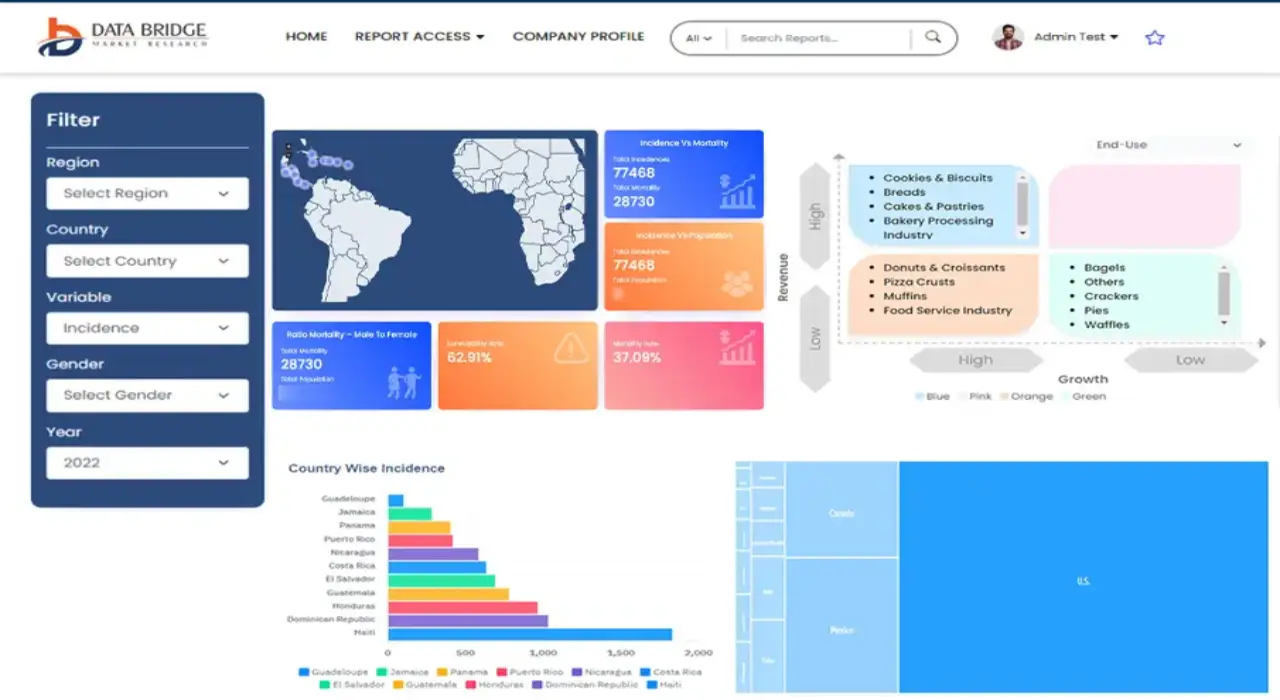
- Tableau de bord d'analyse de données interactif
- Tableau de bord d'analyse d'entreprise pour les opportunités à fort potentiel de croissance
- Accès d'analyste de recherche pour la personnalisation et les requêtes
- Analyse de la concurrence avec tableau de bord interactif
- Dernières actualités, mises à jour et analyse des tendances
- Exploitez la puissance de l'analyse comparative pour un suivi complet de la concurrence
Méthodologie de recherche
La collecte de données et l'analyse de l'année de base sont effectuées à l'aide de modules de collecte de données avec des échantillons de grande taille. L'étape consiste à obtenir des informations sur le marché ou des données connexes via diverses sources et stratégies. Elle comprend l'examen et la planification à l'avance de toutes les données acquises dans le passé. Elle englobe également l'examen des incohérences d'informations observées dans différentes sources d'informations. Les données de marché sont analysées et estimées à l'aide de modèles statistiques et cohérents de marché. De plus, l'analyse des parts de marché et l'analyse des tendances clés sont les principaux facteurs de succès du rapport de marché. Pour en savoir plus, veuillez demander un appel d'analyste ou déposer votre demande.
La méthodologie de recherche clé utilisée par l'équipe de recherche DBMR est la triangulation des données qui implique l'exploration de données, l'analyse de l'impact des variables de données sur le marché et la validation primaire (expert du secteur). Les modèles de données incluent la grille de positionnement des fournisseurs, l'analyse de la chronologie du marché, l'aperçu et le guide du marché, la grille de positionnement des entreprises, l'analyse des brevets, l'analyse des prix, l'analyse des parts de marché des entreprises, les normes de mesure, l'analyse globale par rapport à l'analyse régionale et des parts des fournisseurs. Pour en savoir plus sur la méthodologie de recherche, envoyez une demande pour parler à nos experts du secteur.
Personnalisation disponible
Data Bridge Market Research est un leader de la recherche formative avancée. Nous sommes fiers de fournir à nos clients existants et nouveaux des données et des analyses qui correspondent à leurs objectifs. Le rapport peut être personnalisé pour inclure une analyse des tendances des prix des marques cibles, une compréhension du marché pour d'autres pays (demandez la liste des pays), des données sur les résultats des essais cliniques, une revue de la littérature, une analyse du marché des produits remis à neuf et de la base de produits. L'analyse du marché des concurrents cibles peut être analysée à partir d'une analyse basée sur la technologie jusqu'à des stratégies de portefeuille de marché. Nous pouvons ajouter autant de concurrents que vous le souhaitez, dans le format et le style de données que vous recherchez. Notre équipe d'analystes peut également vous fournir des données sous forme de fichiers Excel bruts, de tableaux croisés dynamiques (Fact book) ou peut vous aider à créer des présentations à partir des ensembles de données disponibles dans le rapport.