Australia Iron Deficiency Anemia Therapy Market
Market Size in USD Billion
CAGR :
% 
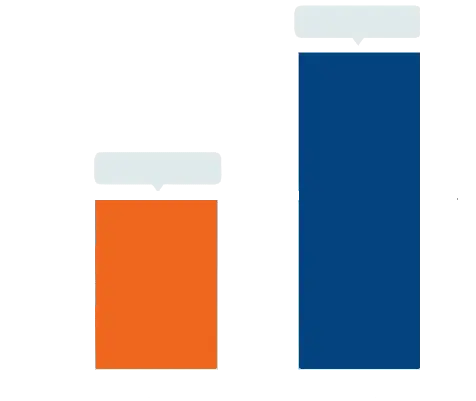 USD
46.00 Billion
USD
90.98 Billion
2025
2033
USD
46.00 Billion
USD
90.98 Billion
2025
2033
 Forecast Period Forecast Period |
2026 –2033 |
 Market Size (Base Year) Market Size (Base Year) |
USD 46.00 Billion |
 Market Size (Forecast Year) Market Size (Forecast Year) |
USD 90.98 Billion |
 CAGR CAGR |
% |
| Major Markets Players |
|
Australia Iron Deficiency Anemia Therapy Market Size
- The Australia Iron Deficiency Anemia Therapy Market size was valued at USD 46.00 billion in 2025 and is expected to reach USD 90.98 billion by 2033, at a CAGR of 8.90% during the forecast period
- The market growth is largely fueled by the growing adoption and technological progress within connected home devices and smart home technology, leading to increased digitalization in both residential and commercial settings
- Furthermore, rising consumer demand for secure, user-friendly, and integrated solutions for their homes and businesses is establishing smart locks as the modern access control system of choice. These converging factors are accelerating the uptake of Iron Deficiency Anemia Therapy solutions, thereby significantly boosting the industry's growth
Australia Iron Deficiency Anemia Therapy Market Analysis
- Iron Deficiency Anemia therapies, including oral iron supplements and intravenous iron formulations, play a critical role in modern healthcare across both hospital and outpatient settings due to their effectiveness in restoring iron levels, improving hemoglobin concentration, and enhancing patient quality of life in both acute and chronic cases
- The escalating demand for Iron Deficiency Anemia Therapy is primarily driven by the rising prevalence of anemia, especially among women, children, and the elderly, along with increased awareness, improved diagnostic rates, and a growing preference for faster-acting and better-tolerated treatment options such as IV iron therapies
- Australia represents a steadily growing market for Iron Deficiency Anemia Therapy, supported by strong public healthcare funding, high awareness of anemia management among clinicians, and increasing use of intravenous iron therapies within hospitals and day-care infusion centers, particularly for elderly patients and women with chronic iron deficiency
- The adult population segment dominated the market with a revenue share of approximately 68.9% in 2025, driven by high prevalence of anemia among women of reproductive age, elderly individuals, and patients with chronic diseases
Report Scope and Australia Iron Deficiency Anemia Therapy Market Segmentation
|
Attributes |
Iron Deficiency Anemia Therapy Key Market Insights |
|
Segments Covered |
|
|
Countries Covered |
|
|
Key Market Players |
|
|
Market Opportunities |
|
|
Value Added Data Infosets |
In addition to the insights on market scenarios such as market value, growth rate, segmentation, geographical coverage, and major players, the market reports curated by the Data Bridge Market Research also include in-depth expert analysis, patient epidemiology, pipeline analysis, pricing analysis, and regulatory framework. |
Australia Iron Deficiency Anemia Therapy Market Trends
“Improved Treatment Accessibility and Advancements in Iron Formulations”
- A significant and accelerating trend in the Australia Iron Deficiency Anemia Therapy Market is the increasing availability of advanced iron formulations, including oral iron supplements with improved bioavailability and intravenous (IV) iron therapies designed for faster and more effective correction of iron deficiency
- This trend is enhancing patient compliance and clinical outcomes across both hospital and outpatient settings
- For instance, ferric carboxymaltose and iron polymaltose injections are widely used across Australian hospitals and day-care infusion centers to treat moderate to severe iron deficiency anemia, particularly in patients with chronic kidney disease, gastrointestinal disorders, or intolerance to oral iron therapies. These formulations enable high-dose iron replenishment in fewer sessions, reducing treatment burden for patients
- Advancements in formulation science have also led to the development of better-tolerated oral iron products, such as slow-release tablets and iron supplements combined with vitamin C to improve absorption. These innovations are supporting broader adoption of iron deficiency anemia therapies among pediatric, geriatric, and pregnant populations
- In addition, the growing role of primary care clinics and community pharmacies in screening and managing iron deficiency is facilitating earlier diagnosis and timely initiation of therapy, thereby improving disease management outcomes
- The increasing use of evidence-based clinical guidelines and standardized treatment protocols across Australia is further driving consistency in therapy selection and dosing, strengthening overall market growth
- This trend toward more effective, patient-friendly, and clinically efficient iron deficiency anemia therapies is reshaping treatment practices and encouraging wider adoption across both public and private healthcare systems
Australia Iron Deficiency Anemia Therapy Market Dynamics
Driver
“Rising Prevalence of Iron Deficiency and Increased Awareness of Early Diagnosis”
- The rising prevalence of iron deficiency anemia in Australia, particularly among women of reproductive age, elderly populations, and patients with chronic diseases, is a key driver for the growing demand for iron deficiency anemia therapies
- For instance, Australian government-backed health initiatives and screening programs in antenatal care and chronic disease management have increased the routine testing of hemoglobin and iron levels, leading to higher diagnosis rates and subsequent demand for oral and intravenous iron treatments
- Increased awareness among healthcare professionals regarding the long-term impacts of untreated iron deficiency—such as fatigue, reduced cognitive function, and impaired quality of life—is encouraging earlier and more aggressive therapeutic intervention
- Furthermore, the expansion of outpatient infusion services and hospital day units has improved access to IV iron therapies, making advanced treatment options more accessible beyond tertiary care centers
- The growing emphasis on improving patient quality of life and productivity, combined with strong clinical evidence supporting iron therapy effectiveness, continues to propel market growth across Australia
Restraint/Challenge
“Treatment Side Effects, Compliance Issues, and Cost Constraints”
- Concerns related to gastrointestinal side effects associated with oral iron supplements, such as nausea, constipation, and abdominal discomfort, pose a challenge to long-term patient compliance, particularly in mild-to-moderate anemia cases
- For instance, intolerance to conventional oral ferrous sulfate formulations often leads clinicians to switch patients to alternative formulations or intravenous therapies, which may increase overall treatment costs
- The higher cost of intravenous iron therapies compared to oral supplements, along with the need for supervised administration in clinical settings, can limit accessibility for some patient groups, especially in rural or resource-constrained areas
- In addition, apprehension regarding rare but potential adverse reactions associated with IV iron infusions may restrict adoption in certain outpatient settings without adequate monitoring infrastructure
- Overcoming these challenges through patient education, improved formulation tolerability, expanded reimbursement coverage, and broader access to infusion facilities will be critical for sustaining long-term growth in the Australia Iron Deficiency Anemia Therapy Market
Australia Iron Deficiency Anemia Therapy Market Scope
The market is segmented on the basis of Therapy, Therapy Area, and Population.
• By Therapy
On the basis of therapy, the Australia Iron Deficiency Anemia Therapy Market is segmented into Oral Iron Therapy and Parenteral Iron Therapy. The oral iron therapy segment dominated the largest market revenue share of approximately 61.4% in 2025, driven by its widespread availability, cost-effectiveness, and ease of administration. Oral iron supplements are commonly prescribed as first-line treatment for mild to moderate iron deficiency anemia, particularly in outpatient and primary care settings. High patient compliance, availability in tablet and liquid forms, and over-the-counter accessibility further support dominance. Oral therapy is extensively used among pregnant women, pediatric patients, and adults with dietary iron deficiency. Increasing awareness programs and routine anemia screening also reinforce adoption. Moreover, the presence of generic formulations significantly reduces treatment costs, strengthening market penetration globally.
The parenteral iron therapy segment is expected to witness the fastest CAGR of 8.9% from 2026 to 2033, fueled by rising cases of severe anemia and poor tolerance to oral iron supplements. Intravenous iron therapies are increasingly preferred for patients with chronic kidney disease, inflammatory bowel disease, and oncology-related anemia. Faster iron replenishment, improved efficacy, and reduced gastrointestinal side effects are driving physician preference. Growing hospital admissions and expanding use in critical care settings further accelerate growth. Advances in safer IV iron formulations with fewer adverse reactions also contribute significantly to this segment’s expansion.
• By Therapy Area
On the basis of therapy area, the Australia Iron Deficiency Anemia Therapy Market is segmented into Obstetrics and Gynecology, Renal, Congestive Heart Failure (CHF), Inflammatory Bowel Disease, Oncology, and Others. The obstetrics and gynecology segment held the largest market revenue share of around 34.6% in 2025, driven by the high prevalence of iron deficiency anemia among pregnant and postpartum women. Increased focus on maternal health, routine prenatal screening, and government-supported iron supplementation programs significantly support dominance. Rising awareness of anemia-related pregnancy complications has improved diagnosis rates. Oral iron therapy remains widely used in this segment, especially in developing regions. Growing birth rates in emerging economies further contribute to sustained demand.
The renal segment is projected to grow at the fastest CAGR of 9.4% from 2026 to 2033, driven by the increasing prevalence of chronic kidney disease (CKD) globally. Patients undergoing dialysis frequently require intravenous iron therapy due to impaired iron absorption. Rising geriatric population and increasing incidence of diabetes-related kidney disorders further accelerate demand. Hospitals increasingly adopt parenteral iron formulations for CKD patients to improve hemoglobin levels efficiently. Technological advancements in dialysis-associated anemia management are also contributing to rapid growth in this segment.
• By Population
On the basis of population, the Australia Iron Deficiency Anemia Therapy Market is segmented into Adults and Pediatrics. The adult population segment dominated the market with a revenue share of approximately 68.9% in 2025, driven by high prevalence of anemia among women of reproductive age, elderly individuals, and patients with chronic diseases. Lifestyle-related nutritional deficiencies, gastrointestinal disorders, and chronic blood loss contribute to higher adult anemia rates. Adults are the primary recipients of both oral and parenteral iron therapies. Increasing diagnostic testing and workplace health screening programs further support dominance. The growing geriatric population worldwide significantly strengthens this segment’s market position.
The pediatric segment is expected to register the fastest CAGR of 7.8% from 2026 to 2033, driven by increasing awareness of childhood anemia and government-led nutritional intervention programs. Rising focus on early diagnosis, school health initiatives, and pediatric supplementation programs is accelerating growth. Pediatric-friendly oral formulations and fortified food products support adoption. Higher anemia prevalence in developing countries among infants and adolescents further fuels demand. Expansion of pediatric healthcare infrastructure globally also contributes to strong growth momentum.
Australia Iron Deficiency Anemia Therapy Market Share
The Iron Deficiency Anemia Therapy industry is primarily led by well-established companies, including:
- Pharmacosmos A/S (Denmark)
- AMAG Pharmaceuticals, Inc. (U.S.)
- Fresenius Kabi AG (Germany)
- Pfizer Inc. (U.S.)
- Apotex Inc. (Canada)
- Bayer AG (Germany)
- Abbott (U.S.)
- Takeda Pharmaceutical Company Limited (Japan)
- Gland Pharma Limited (India)
- Sun Pharmaceutical Industries Ltd. (India)
- Mylan N.V. (U.S.)
- GSK plc (U.K.)
- Sandoz International GmbH (Switzerland)
- Teva Pharmaceutical Industries Ltd. (Israel)
Latest Developments in Australia Iron Deficiency Anemia Therapy Market
- In March 2021, the Therapeutic Goods Administration (TGA) approved Feraccru (ferric maltol) for the treatment of iron deficiency with or without anemia in adults in Australia, marking a significant regulatory expansion of oral iron therapy options available to clinicians and patients
- In November 2023, CSL Vifor participated in Iron Deficiency Day 2023, a global awareness initiative emphasizing the importance of early diagnosis and treatment of iron deficiency and iron deficiency anemia, promoting better access and education for patients and healthcare providers in Australia and worldwide
- In February 2024, CSL Seqirus announced that Ferinject (ferric carboxymaltose) was approved by the TGA for the treatment of iron deficiency anemia in Australian children aged one to thirteen years, expanding the indication beyond adults and adolescents and providing a rapid intravenous iron therapy option when oral iron is ineffective
- In September 2024, Australian Red Cross Lifeblood implemented routine ferritin testing for blood donors, expanding the detection of iron deficiency in new donors and referring individuals with low ferritin for clinical evaluation and management, supporting broader IDA screening and early intervention
- In December 2025, health experts in Australia raised concerns about over‑the‑counter iron supplements containing insufficient elemental iron, warning that many products offer doses too low to effectively treat iron deficiency anemia and calling for stronger regulatory scrutiny and clearer labeling to protect patients requiring therapeutic iron
SKU-
Get online access to the report on the World's First Market Intelligence Cloud
- Interactive Data Analysis Dashboard
- Company Analysis Dashboard for high growth potential opportunities
- Research Analyst Access for customization & queries
- Competitor Analysis with Interactive dashboard
- Latest News, Updates & Trend analysis
- Harness the Power of Benchmark Analysis for Comprehensive Competitor Tracking
Research Methodology
Data collection and base year analysis are done using data collection modules with large sample sizes. The stage includes obtaining market information or related data through various sources and strategies. It includes examining and planning all the data acquired from the past in advance. It likewise envelops the examination of information inconsistencies seen across different information sources. The market data is analysed and estimated using market statistical and coherent models. Also, market share analysis and key trend analysis are the major success factors in the market report. To know more, please request an analyst call or drop down your inquiry.
The key research methodology used by DBMR research team is data triangulation which involves data mining, analysis of the impact of data variables on the market and primary (industry expert) validation. Data models include Vendor Positioning Grid, Market Time Line Analysis, Market Overview and Guide, Company Positioning Grid, Patent Analysis, Pricing Analysis, Company Market Share Analysis, Standards of Measurement, Global versus Regional and Vendor Share Analysis. To know more about the research methodology, drop in an inquiry to speak to our industry experts.
Customization Available
Data Bridge Market Research is a leader in advanced formative research. We take pride in servicing our existing and new customers with data and analysis that match and suits their goal. The report can be customized to include price trend analysis of target brands understanding the market for additional countries (ask for the list of countries), clinical trial results data, literature review, refurbished market and product base analysis. Market analysis of target competitors can be analyzed from technology-based analysis to market portfolio strategies. We can add as many competitors that you require data about in the format and data style you are looking for. Our team of analysts can also provide you data in crude raw excel files pivot tables (Fact book) or can assist you in creating presentations from the data sets available in the report.